Hatton Cross gardeners fast hedge cutting for Feltham homes
If your hedge has suddenly gone from neat boundary to green overhang, you are probably after something simple: a quick, tidy, reliable cut that does not disrupt the day. That is exactly where Hatton Cross gardeners fast hedge cutting for Feltham homes comes in. Done well, it keeps your front garden sharp, prevents hedges from swallowing paths and driveways, and saves you from that awkward moment when the property starts looking a bit unruly from the street.
This guide explains what fast hedge cutting really involves, why it matters for Feltham homes, how the process usually works, and what to look for if you want a service that is efficient without cutting corners. We will also cover practical checks, common mistakes, and a realistic view of standards, safety, and aftercare. Because, let's face it, a hedge is only "just a hedge" until it's blocking the light or brushing your car every time you reverse out.
Why Hatton Cross gardeners fast hedge cutting for Feltham homes Matters
Hedges do a lot more than mark a boundary. In Feltham, they shape how a home feels from the road, create privacy in compact gardens, and soften fences, paving, and brickwork. But hedges grow quickly. A missed trim in spring can turn into a heavy job by late summer, especially on vigorous varieties that seem to lengthen overnight.
Fast hedge cutting matters because overgrowth rarely stays a cosmetic issue for long. It can reduce daylight, make footpaths awkward, hide entrances, and create friction with neighbours if branches creep across a boundary. In more practical terms, a tidy hedge makes the whole front of the property look cared for. That counts. It really does.
There is also a timing angle. Homeowners often need hedge work before a house sale, after a period away, ahead of a family gathering, or simply because they are too busy to spend the weekend wrestling with clippers. A fast local service is useful precisely because it removes the big, messy part from your to-do list without turning the garden into a half-finished project.
For many homes near Hatton Cross and across Feltham, access can be a factor too. Smaller front gardens, tighter driveways, side return hedges, and mixed boundary planting all call for a careful but efficient approach. Quick does not have to mean rough. In fact, the best fast hedge cutting is the sort you notice because everything looks calm afterwards, not because the job looked rushed.
If your garden needs broader seasonal attention alongside hedge work, it can help to pair it with garden maintenance so the whole space stays under control instead of constantly catching up.
How Hatton Cross gardeners fast hedge cutting for Feltham homes Works
Fast hedge cutting is usually less about speed for speed's sake and more about a smooth, well-planned workflow. A good gardener will start by looking at the hedge type, current growth, access, height, and what finish you want. A low box hedge, a laurel screen, and a mixed boundary hedge all behave differently, so the first step is understanding the material in front of you.
Once the shape and scope are clear, the work typically follows a simple pattern: trim, tidy, collect, and inspect. The shaping may be done with hand tools for precision, hedge cutters for larger sections, and ladders or platforms if the hedge is taller. Debris is gathered as the job moves along so the area does not become a swamp of clippings halfway through. That part matters more than people think. Nobody wants to be stepping through a pile of soggy leaves and twig fragments while the front gate is still open.
The difference between a decent trim and a proper professional finish often comes down to control. Fast work should still protect the hedge line, keep the profile even, and avoid tearing or bruising the foliage. A rushed cut can leave ragged edges, exposed brown patches, or a lopsided top that nags at you every time you glance out of the window.
Where hedges are part of a wider overgrown garden, the job may be combined with clearing or reshaping. In those cases, services such as garden clearance can be helpful when the boundary is tangled, cluttered, or affected by seasonal buildup.
A sensible service will also think about disposal. Hedge cuttings can look lightweight at first glance, then somehow triple in volume once they are off the shrub. Clean removal, bundling, and recycling all save hassle. A quick cut that leaves a pile behind is not really quick at all.
Key Benefits and Practical Advantages
The biggest benefit is obvious: the hedge looks better. But there are several less obvious gains that make fast hedge cutting a smart choice for many Feltham homeowners.
- Better kerb appeal: A crisp hedge can lift the whole front elevation, especially on terraced and semi-detached homes where the boundary is highly visible.
- More light: Even a small reduction in hedge bulk can noticeably brighten a front room, side path, or patio area.
- Safer access: Clear paths, gates, and driveways reduce the annoyance of brushing past thorny or brittle growth.
- Less stress: You avoid the time, mess, and physical strain of doing it yourself.
- Healthier growth: Regular, clean cuts are usually better than infrequent hacking, which can leave hedges uneven and stressed.
- Neighbour-friendly boundaries: Keeping growth under control makes shared edges far less contentious.
There is a practical rhythm to it as well. Once a hedge is kept on a sensible schedule, each visit tends to be easier than the last. That is the quiet win. It is a bit like keeping on top of the washing up rather than facing a sink full of mystery mugs on Sunday night.
If the hedge sits beside lawn or paving, combining the work with lawn mowing or nearby border tidy-ups can give the garden a more complete finish in one visit.
Practical summary: Fast hedge cutting is not just about saving time. It is about keeping your home presentable, your garden manageable, and your boundary work under control before small problems become bigger ones.
Who This Is For and When It Makes Sense
This service suits a wide mix of homeowners, and not only the people with huge, unruly hedges. In fact, some of the best candidates are the ones who just need a regular, efficient trim rather than a dramatic rescue job.
You may want fast hedge cutting if you:
- have a hedge growing across a path, driveway, or entrance;
- need the garden to look smart before visitors, photos, or a move;
- struggle to keep up with seasonal growth;
- have tall or awkward hedges that are difficult to reach safely;
- want the work done with minimal disruption;
- prefer a reliable local team rather than trying to tackle it yourself at the weekend.
It also makes sense after periods of rapid growth. A wet spell followed by a few warm days can change a hedge quickly, and before you know it the top is swaying in the wind and the sides are bulging outwards. That is usually the point where people decide enough is enough.
For properties with a more extensive outdoor refresh in mind, hedge cutting can sit alongside landscaping or landscape gardening work if the broader garden needs reshaping, not just trimming.
It is also worth saying that not every hedge should be cut aggressively. Some species respond best to steady maintenance rather than hard reduction, so a good gardener will judge the right approach rather than applying the same treatment to everything. Sensible, not flashy.
Step-by-Step Guidance
If you are booking hedge cutting for the first time, or simply want to know what a well-run job looks like, here is a straightforward sequence to expect.
- Assess the hedge and access. The gardener checks height, length, thickness, condition, and how easy it is to work around fences, walls, parked cars, and neighbouring planting.
- Confirm the finish you want. Do you want a light tidy, a strong reduction, a shaped top, or just the sides brought back into line?
- Protect nearby surfaces. A practical team will consider windows, paving, decking, ornaments, and planting beds before cutting starts.
- Cut in a controlled order. Usually this means tackling the sides, then the top, then the detailed shaping, though the exact order can vary with hedge type.
- Remove and collect clippings. Good housekeeping matters. A neat finish includes the garden floor, not just the hedge face.
- Check the line and symmetry. A final pass catches uneven spots, stray stems, and any missed growth at eye level.
- Dispose of waste properly. The last part should feel like the first part never happened, apart from the much tidier hedge.
A simple example: a homeowner in Feltham might book a front hedge tidy before a family event on Saturday afternoon. A well-organised visit on Friday morning can make the whole frontage look fresher by lunch, which honestly can change the feel of the house more than people expect.
If the hedge is part of a larger routine, the next sensible step is to fold it into a recurring maintenance plan rather than waiting until it becomes a rescue job again. Regular care is easier on the hedge and easier on you.
Expert Tips for Better Results
There are a few habits that separate a neat, lasting hedge finish from one that looks fine for three days and then starts to misbehave again.
- Trim before growth becomes chaotic. Hedges are easier to shape when they are kept in hand throughout the year rather than left until they are dense and woody.
- Ask for the right finish, not just "shorter". A hedge can be reduced, reshaped, or simply cleaned up. Those are different outcomes.
- Keep the base slightly wider than the top. This helps sunlight reach the lower foliage, which is often the first area to thin out.
- Watch for nesting birds. In the UK, hedge work should be timed carefully during nesting season. If there is active bird nesting, the work may need to wait or be adjusted.
- Combine jobs where sensible. If your hedge sits beside a tired patio or overgrown side return, it may be worth planning the work around the broader garden layout.
- Choose a dry window where possible. Wet clippings are heavier and messier, and a damp hedge can be awkward to handle cleanly.
One small but useful habit: walk outside at the start of the job and look at the hedge from the road, the door, and the side passage. Different angles show different problems. The front may look fine while the side is leaning like it had a long lunch. It happens.
If you want confidence in the team arriving with the right approach, a page such as about the company can help you understand the people behind the service, while services overview is useful for seeing how hedge cutting fits into the wider garden care offer.
Common Mistakes to Avoid
Fast hedge cutting works best when it is efficient, not careless. These are the mistakes that cause the most avoidable frustration.
- Cutting too late: Leaving a hedge until it is overgrown usually means more mess, more time, and a rougher finish.
- Going too hard in one visit: Some hedges dislike dramatic reduction, especially if they have been neglected for a while.
- Ignoring the hedge base: The top may look tidy, but if the bottom remains wide and shaggy, the whole thing still looks off.
- Forgetting disposal: The cuttings are not a side note. They are a real part of the job.
- Skipping checks around services and boundaries: Branches near wires, fences, gutters, or neighbouring gardens need care.
- Assuming every hedge is the same: Conifer, laurel, privet, hawthorn, beech and mixed hedging all have different needs. A one-size-fits-all cut is rarely the best one.
One very common slip, if we are being honest, is booking the trim and then deciding at the last minute that the hedge actually needs reduction, reshaping, and a full border tidy too. That can be fine, but it changes the scope. Better to be clear at the start.
If the job has become more than a trim and the garden is cluttered as well as overgrown, check whether garden clearance is the more sensible starting point.
Tools, Resources and Recommendations
Good hedge cutting is partly skill and partly having the right kit for the hedge in front of you. The tools themselves are not magical, but the combination matters.
| Tool or resource | Best used for | Why it helps |
|---|---|---|
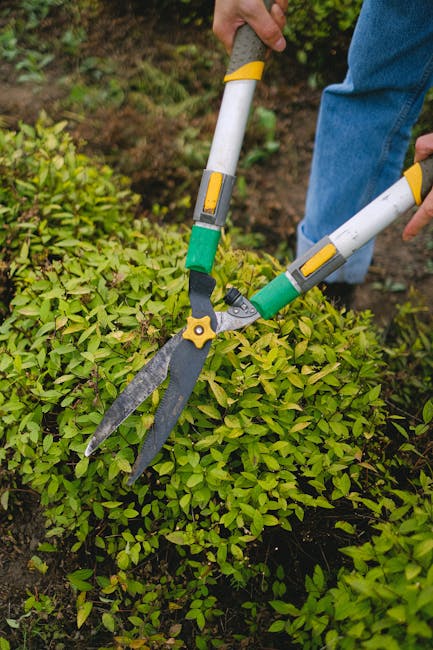
| Hand shears | Fine shaping and finishing | Useful for detail work where control matters more than speed |
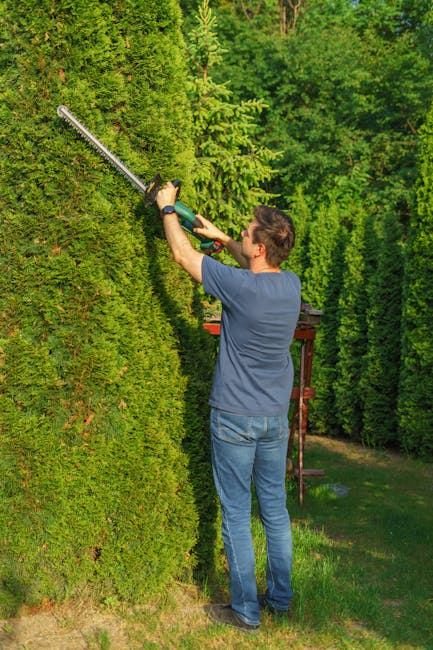
| Powered hedge trimmers | Longer runs and thicker growth | They speed up the main cut and keep lines more consistent |
| Secateurs | Small stubborn stems | Helpful for clean removal of awkward shoots |
| Ladders or safe working platforms | Taller hedges | Allow safer access to upper sections when used properly |
| Tarps and collection bags | Waste control | Keep the work area tidier and reduce scattered clippings |
| Protective gear | General safety | Gloves, eye protection, and sturdy footwear help reduce avoidable injury |
For homeowners, the most useful resource is not a gadget but a realistic plan. Decide whether you want a one-off tidy or ongoing maintenance. If the hedge is a major feature of the garden, recurring visits are usually easier to live with than emergency fixes. That is the boring answer, but it is also the true one.
If you are comparing service providers, the pages on pricing and quotes and insurance and safety are sensible places to review before booking, because they help set expectations around how work is costed and handled.
Law, Compliance, Standards, or Best Practice
Hedge cutting is ordinary garden work, but it still touches on several important UK best-practice points. You do not need to become a legal expert to have your hedge trimmed, yet it helps to know the basics.
First, bird nesting season should be treated carefully. If birds are nesting in a hedge, disturbing the nest is not something to rush through. A responsible gardener will look for signs of active nesting and adjust the timing or approach if needed. This is one of those areas where caution is simply the decent thing to do.
Second, waste should be handled responsibly. Green waste from hedge cutting can often be recycled or composted where systems allow, so it is worth asking how the clippings will be managed. A tidy gardener who also thinks about disposal is usually a better long-term choice than someone who only talks about the cut itself. If sustainability matters to you, see the approach set out on recycling and sustainability.
Third, any work near height, sharp tools, or awkward access should be carried out with proper care. That means sensible setup, stable footing, and basic protective equipment. Nothing glamorous, just good practice. The polished finish comes after the safe setup, not before.
If you are ever unsure whether a hedge needs more than routine trimming, ask for a clear explanation before work starts. Good communication is part of best practice too, even if it sounds obvious. Especially if the hedge has a mind of its own.
Options, Methods, or Comparison Table
Not every hedge job needs the same approach. Here is a plain-English comparison that may help you decide what sort of service you actually need.
| Method | Best for | Typical outcome | Notes |
|---|---|---|---|
| Light trim | Regularly maintained hedges | Sharp edges and a clean profile | Best when growth is only slightly out of line |
| Shaping cut | Hedges that need a neater form | More defined lines and a balanced look | Useful for front gardens and visible boundaries |
| Reduction cut | Overgrown hedges | Smaller overall size and restored control | Needs more care and may take longer |
| Combined clearance and trim | Heavily cluttered or neglected gardens | Improved access plus a tidier boundary | Often sensible where the hedge is only one part of the issue |
If you are unsure which method fits your hedge, start with the least aggressive option that solves the problem. You can always reduce further later, but taking too much off at once is hard to undo. A bit annoying, truth be told.
Case Study or Real-World Example
Here is a realistic local-style example. A homeowner in Feltham had a front hedge that was still healthy, but the top had started to lean out over the pavement and the side was catching the bin every collection day. Nothing dramatic. Just enough to irritate everyone, every week.
The gardener first checked access, then trimmed the outer growth back into a straight line and lifted the lower edge so the path felt open again. The middle section needed careful shaping rather than a hard cut, because the hedge was dense and still doing its job. Clippings were removed on the same visit, and the front of the house immediately looked better. Not overdone. Just right.
What made the difference was not a dramatic transformation. It was the fact that the hedge went from "slightly annoying and always in the way" to "presentable and easy to live with." That is often what people actually want. Less drama, more calm. A small change, but you feel it every time you open the front door.
In the same kind of setting, a homeowner might later decide to bring the rest of the garden back into shape with lawn mowing and a general maintenance visit so the whole space feels consistent instead of half-finished.
Practical Checklist
Use this quick checklist before booking hedge cutting for your Feltham home.
- Confirm which hedge or hedges need attention.
- Decide whether you want a light trim, shaping, or reduction.
- Check access around gates, cars, paths, and neighbouring property.
- Note any bird activity or wildlife concerns.
- Ask how clippings will be collected and removed.
- Think about whether the job should be paired with wider garden work.
- Review pricing, scheduling, and what is included.
- Make sure you are clear on the expected finish.
- Set aside a little time after the visit to inspect the result.
- Plan the next maintenance cut before the hedge gets away again.
Quick tip: If you are doing a front hedge, take a photo before the work starts. It helps you judge the improvement properly, and it can be surprisingly satisfying to compare the before-and-after. Tiny victory, but still a victory.
Get a free quote today and see how much you can save.
Conclusion
Fast hedge cutting is one of those services that seems simple until you need it urgently. Then it becomes very important, very quickly. For Feltham homeowners, a good local gardener can restore order, improve kerb appeal, and take the pressure off jobs that are easy to delay and annoying to live with. The best results come from clear expectations, careful timing, and a tidy finish that respects both the hedge and the rest of the garden.
Hatton Cross gardeners fast hedge cutting for Feltham homes is really about convenience with standards intact. Not rushed. Not messy. Just properly done, and done in a way that fits real life. If you keep on top of it, the whole property feels easier to live with, and that matters more than people admit.
And if the hedge is only the start of a bigger garden reset, a steady plan now will save you a lot of back-and-forth later. Small, regular care has a way of making the whole garden feel lighter, calmer, and a bit more yours again.
Frequently Asked Questions
How fast can hedge cutting usually be completed for a Feltham home?
It depends on hedge length, height, thickness, and access, but many straightforward residential trims can be completed in a single visit. Bigger or overgrown hedges naturally take longer.
Is fast hedge cutting the same as a rough hedge trim?
No. Fast hedge cutting should mean efficient and organised, not careless. A good finish still needs straight lines, clean edges, and proper waste removal.
What time of year is best for hedge cutting?
The best timing depends on the hedge species and how quickly it grows. Many hedges benefit from regular maintenance rather than one heavy cut, and bird nesting activity should always be considered.
Can hedge cutting be combined with other garden work?
Yes. It often makes sense to combine hedge cutting with lawn care, general tidy-ups, or broader maintenance so the garden feels consistently neat rather than only partly improved.
What should I tell the gardener before they start?
Explain which hedge needs work, what finish you want, whether access is tricky, and whether you want clippings removed. A clear brief avoids disappointment later.
Will hedge cutting damage my plants?
It should not, if done correctly. A careful cut protects the hedge structure and nearby planting. Problems usually come from cutting too hard, too fast, or at the wrong time.
Do I need to be home during the hedge cutting visit?
Not always, but it can help if the job involves access questions, boundary concerns, or special instructions. Some homeowners prefer to be present for the first visit, which is fair enough.
What happens to the hedge cuttings?
They should be collected and disposed of properly. In many cases, green waste can be recycled or handled sustainably, depending on the service arrangement.
How often should a hedge be trimmed?
That varies by hedge type and growth rate. Some hedges need attention several times a year, while slower-growing varieties may only need one or two tidy-ups. Regular light trimming is often easier than rare major cuts.
What if my hedge is too tall to handle safely myself?
That is exactly when a professional service makes sense. Tall hedges can be awkward and unsafe without the right equipment, stable access, and experience.
Can I ask for just a front hedge cut and leave the rest?
Absolutely. Many homeowners only need a visible front boundary trimmed. A good service should work to the exact areas you want, not automatically expand the job.
How do I know if I need hedge trimming or full garden maintenance?
If the hedge is the only issue, trimming may be enough. If the whole garden is becoming untidy, mixed with weeds, overgrowth, or seasonal debris, a broader maintenance visit is usually the better fit.
Contact the team if you want to talk through the scope of your hedge cutting needs, and keep the next season a little easier on yourself. That small bit of planning now can save a lot of weekend hassle later.