Recycling & Sustainability for Gardeners Feltham
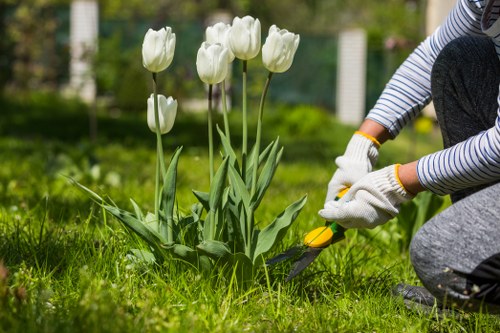 Gardeners Feltham champions an eco-friendly waste disposal area and a resilient sustainable rubbish gardening area model designed for neighbourhoods and commercial sites across Feltham and surrounding boroughs. Our approach blends practical on-site solutions with local waste infrastructure to reduce haulage, cut carbon and keep organic matter cycling at the landscape level. Whether you manage small domestic borders or larger landscape projects, our recycling-forward practices minimise landfill input and prioritise high-value reuse of green waste.
We align with the boroughs' approach to waste separation, encouraging clear streams for food waste, garden waste, paper, glass and mixed recyclables. Clear labelling, dedicated bays and staff training ensure that materials leaving a site are correctly sorted to match kerbside collection standards and transfer-station requirements. This reduces contamination, increases recovery rates and supports municipal systems that treat organics separately from residual rubbish.
 To make progress measurable we publish an internal target: a recycling percentage target of 70% by 2030 for garden and green waste handled through our operations, with interim milestones. Practical actions to meet this goal include:
- Segregated on-site bays for clean green material, woody debris and recyclable packaging
- Processing and chipping to create mulch and compost feedstocks
- Diverting reusable items and plants to partner charities and community groups
Our consolidated eco-friendly waste disposal area designs focus on minimising transport emissions and maximising circular reuse. On-site chipping machines and enclosed compost bays turn arisings into usable products: mulch for paths, recycled wood chippings for bedding and feedstock for community composting. We map green collections to nearby transfer stations and energy-recovery facilities to match operator acceptance criteria, lowering rejection risk and improving material value.
 Fleet choices are key to a low-carbon operation. Gardeners Feltham is shifting to low-carbon vans including plug-in electric models and modern hybrid vehicles for local rounds. These are coupled with route-optimisation software to reduce kilometres travelled and emissions. Where feasible, smaller electric cargo bikes and trailers are deployed for short distances in dense neighbourhoods, keeping emissions low while maintaining service efficiency.
Partnerships multiply impact. We work with charities and local groups to give usable plants, pots and tools a second life and support community green projects. Examples of our collaborative recycling activity include:
- Donation of surplus plants to community gardens and allotments
- Tool-sharing schemes and repair partnerships with local volunteers
- Material swaps for reclaimed decking, sleepers and timber
Creating a sustainable rubbish gardening area means designing sites where waste prevention comes first. We embed practices that reduce waste at source: careful ordering to avoid over-supply, reusable protective coverings, and prioritising durable materials. On-site segregation allows us to recycle clean soil, repurpose turf, and treat woody waste separately so it can be chipped or converted to bioenergy where appropriate. This approach supports borough policies encouraging separate organics collections and higher capture rates for green materials.
How we measure impact
Measurement is practical: tonne-level tracking, contamination audits and periodic sampling at collection points show progress against the 70% target. We log the volumes sent to local transfer stations, community compost hubs and municipal organic processors, and we track the proportion of material reused on-site versus sent for processing. These metrics feed into regular reviews that refine site layouts and collection routines to improve recovery rates and reduce residual waste.
Local coordination and continuous improvement
Success relies on local coordination — with borough councils that have clear expectations for waste streams, with transfer stations that accept segregated materials, and with charity partners that can absorb reusable goods. We keep policies simple and visible: staff receive training on accepted materials, vehicles carry clear signage for separation, and clients are advised on simple steps that make diversion easier. By combining low-carbon vans, structured disposal areas and charity partnerships, Gardeners Feltham creates a replicable model for sustainable garden waste management across Feltham and nearby boroughs.For small changes that add up, we recommend continuing the focus on avoidance, reuse and local processing. Implementing a well-organised eco-friendly waste disposal area and a resilient sustainable rubbish gardening area reduces emissions, preserves nutrients in the urban environment, supports local charities and helps meet our collective recycling targets. Together these measures ensure that garden waste is treated as a resource rather than rubbish, delivering long-term benefits for communities and the local natural environment.

