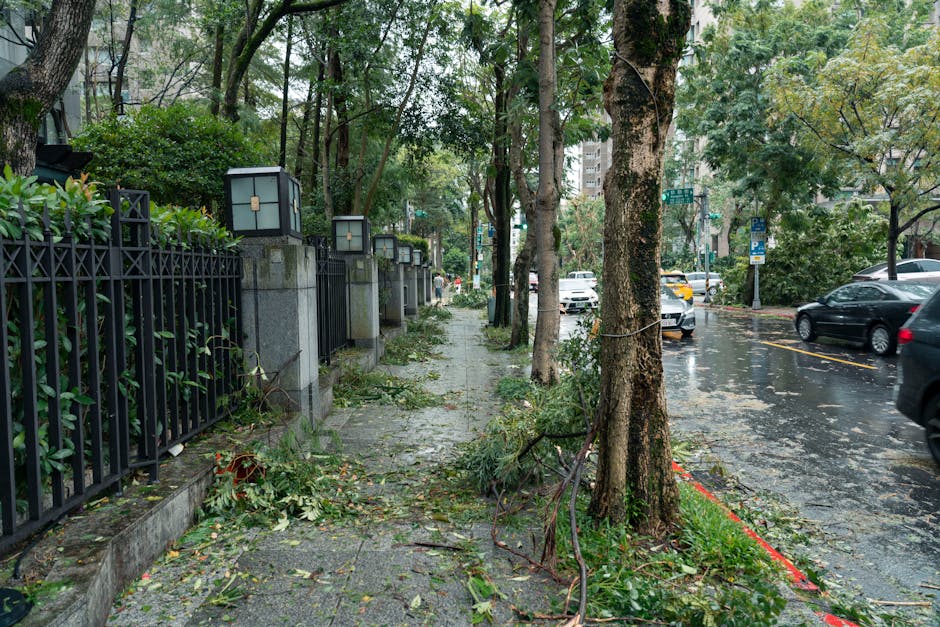
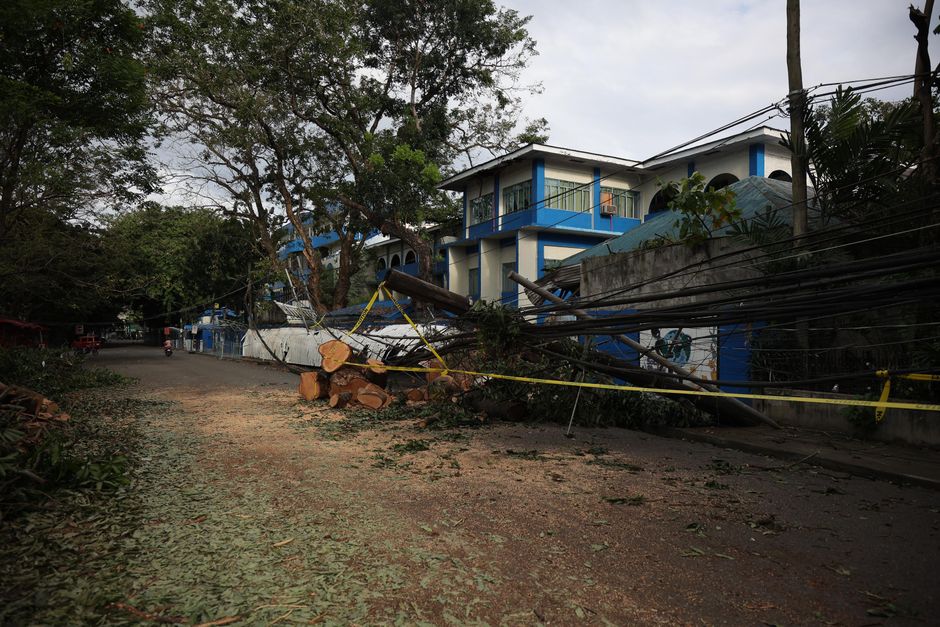
Same day gardeners for Feltham emergency storm damage
Storms do a particular kind of damage to gardens. One minute everything looks manageable; the next, there are snapped branches, a fence leaning at an odd angle, torn climbers on the ground, and wet debris scattered across the lawn. If you need same day gardeners for Feltham emergency storm damage, the priority is usually simple: make the space safe, stop the situation getting worse, and get your garden back under control without waiting days for help. That is exactly what this guide is about.
In Feltham, a fast response matters because storm damage is rarely just cosmetic. A broken branch can block access, damage a shed roof, or become a trip hazard. A toppled hedge can expose neighbours' boundaries. And if rain keeps coming, even a small issue can turn into a bigger one by the afternoon. Let's face it, nobody wants to spend a damp Tuesday dragging soaked branches to the kerb. So below, you'll find a clear, practical explanation of what emergency storm damage gardening involves, how it works, what to expect, and how to choose the right help without fuss.
Quick takeaway: emergency garden work is about safety first, tidy-up second, and restoration after that. The best same-day response is calm, fast, and methodical-not rushed chaos with a wheelbarrow.
Table of Contents
- Why same day storm damage garden help matters
- How the emergency response works
- Key benefits and practical advantages
- Who it is for and when it makes sense
- Step-by-step guidance
- Expert tips for better results
- Common mistakes to avoid
- Tools, resources and recommendations
- Law, compliance, standards and best practice
- Options, methods and comparison table
- Case study or real-world example
- Practical checklist
- Conclusion
- Frequently Asked Questions
Why same day gardeners for Feltham emergency storm damage matters
Storm damage in a garden is not something you always have the luxury of leaving until the weekend. In many cases, the biggest risk is not the mess itself, but what the mess can lead to. A heavy branch resting against a fence can shift suddenly. A broken planter can leave sharp fragments across a path. Loose debris can block drains, hold water, and make the ground slippery. In a place like Feltham, where gardens often sit close to homes, side access routes, and shared boundaries, those risks can show up quickly.
Same-day help matters because it reduces exposure to avoidable problems. It also gives you breathing room. Once the obvious hazards are removed, you can make sensible decisions about the rest of the work rather than trying to think clearly while looking at a half-toppled tree after dark. Truth be told, panic rarely improves pruning decisions.
There is another reason speed matters: storm damage often affects more than one part of the garden. A branch may crush a border bed, damage a lawn, and catch on another plant as it falls. Leaves, twigs, and mud can spread everywhere. If a gardener arrives the same day, they can usually stabilise the site before the damage multiplies. That is often the difference between a tidy recovery and a very long clean-up.
If you are also weighing whether the garden needs longer-term work after the emergency, it helps to look at the wider service picture too. A service overview such as garden services in Feltham can be useful when you want to understand what follows after the urgent visit. For longer-lasting garden upkeep, garden maintenance support is often the natural next step once the immediate hazard has been dealt with.
How same day gardeners for Feltham emergency storm damage works
The process is usually straightforward, but it should still be handled carefully. A proper same-day response is not just "turn up and clear stuff." It follows a sequence that starts with safety and ends with a more stable, usable garden.
1. Initial call or enquiry
You explain what happened, what is affected, and whether there are any urgent dangers. Examples might include a fallen branch, a damaged tree, a collapsed fence panel, blocked access, or a garden path covered with debris. If the site has obvious risks, that should be mentioned early. A bit of detail helps the team decide what tools, time, and approach are needed.
2. Triage of the problem
Not every storm-damaged garden needs the same response. A light branch that has fallen onto grass is very different from a large limb tangled in a tree canopy or leaning across a driveway. The key is triage: deciding what must be made safe first. In practice, that may mean removing loose debris, securing unstable items, and isolating risky areas before any heavier work begins.
3. Site safety checks
Before anything is cut, lifted, or dragged, the area should be checked for hazards. Wet surfaces, hidden nails, broken glass, damaged edging, and unstable root plates all matter. Good practice is to work from the least risky area to the most difficult. Nobody wants a second problem created while solving the first one.
4. Emergency clearance and stabilisation
This is where the visible progress happens. Branches are cut into manageable pieces, debris is collected, tangled growth is separated carefully, and access routes are cleared. If a hedge has been torn open or a tree has shed heavy limbs, the focus is on reducing risk and preventing further movement.
5. Removal, tidying, and follow-up advice
Once the garden is safe enough to use, the team can advise on what needs a return visit. Sometimes that means replacing a damaged fence section. Sometimes it means reshaping a hedge or sorting tree work later. And sometimes it is just a matter of clearing the last soggy leaves and letting the garden dry out for a day or two.
In many cases, emergency work overlaps with broader services such as garden clearance, tree lopping and removal, or even hedge trimming if storm damage has left growth uneven or dangerously overextended.
Key benefits and practical advantages
The obvious benefit is speed. But there is more to it than that. Same-day storm damage work gives you a few practical advantages that are easy to underestimate when you are standing in the rain looking at a bent branch and wondering where to start.
- Safety is restored quickly. A cleared path, a removed branch, or a stabilised boundary reduces immediate risk for family, neighbours, and visitors.
- Secondary damage is limited. Wet timber, broken plant stems, and fallen debris can cause more damage if left in place.
- The garden becomes usable again. Even a partial tidy-up can make outdoor access easier, which matters if you need bins moved, pets let out, or delivery access restored.
- Decision-making gets easier. Once the emergency pressure drops, you can think more clearly about repairs, replacements, and longer-term improvements.
- Stress is reduced. Honestly, that is a bigger benefit than people sometimes admit. A garden left in a mess after a storm can nag at you every time you look out the kitchen window.
There is also a trust benefit. A professional same-day visit gives you a clearer read on what is urgent versus what can wait. That stops you overreacting to a problem that is actually manageable-or underreacting to one that is more serious than it first appears. Both happen, by the way.
If the storm has also exposed poor drainage, damaged hard landscaping, or affected a decked area, it may be worth reviewing related services like landscaping support or decking services once the emergency work is complete.
Who this is for and when it makes sense
Same-day emergency garden help is not only for dramatic cases with trees on the ground. It makes sense in a fairly wide range of situations, especially where delay could make things worse.
Homeowners
If your garden has become unsafe, blocked, or unusable after a storm, same-day help can restore order quickly. This is especially useful when you have children, pets, or elderly family members using the space. A loose branch near a play area is not something to leave until next week.
Landlords and property managers
When a rental property or managed home in Feltham suffers storm damage, fast response can help reduce tenant disruption and prevent complaints from escalating. It also helps with practical maintenance planning, because the full extent of damage is easier to see once the debris is removed.
Businesses with outdoor areas
Cafes, small offices, care settings, and other properties with external access or garden space may need urgent action to keep entrances clear and presentable. A storm can make a forecourt or rear yard look untidy in a matter of minutes. Not ideal.
People with time-sensitive access needs
If bins need to be moved, deliveries are due, or access routes must stay open, same-day gardening support becomes a practical necessity rather than a nice-to-have. The work may be modest, but the timing matters.
Sometimes people assume emergency gardening only applies after a tree falls over. Not quite. It can also be the right call when a hedge is torn open by wind, a planted border is full of fallen material, or a path is hidden beneath slippery leaves and snapped stems. Small problems, if they block movement, can behave like big ones.
Step-by-step guidance
If you are trying to manage the situation before the gardener arrives, a calm and simple plan is best. No heroics. No wandering into unstable areas with a hand saw and a cup of tea. Here is a sensible order of operations.
- Check for immediate danger. Stay clear of unstable branches, leaning trees, hanging limbs, exposed wires, and damaged structures. If anything looks dangerously unstable, keep people away from the area.
- Take a few photos from a safe distance. This helps you remember what happened and can be useful for follow-up decisions about repairs. Keep it brief. Don't go poking around for the perfect angle if the branch is still moving in the wind.
- Move only what is obviously safe to move. Lightweight items like empty pots, loose cushions, or garden toys can usually be gathered up if the surface is safe. Leave heavy, wet, or awkward debris until proper help arrives.
- Clear a simple access path if you can do so safely. A front gate, side passage, or driveway approach may need to be opened up so the team can get in quickly.
- Explain the priority on arrival. Be clear about what worries you most: safety, access, broken boundary items, or fallen tree material. Good communication saves time.
- Ask what can be made safe today and what needs a second visit. This is a useful distinction. Emergency gardening is often a first phase, not the full story.
- Plan for disposal and follow-up. After the immediate clean-up, decide whether you need further pruning, hedge reshaping, lawn recovery, or more formal landscaping work.
If storm damage has left the whole garden cluttered, soggy, and a bit overwhelming, a broader tidy-up may be more efficient. In that case, a dedicated clearance service can sit nicely alongside the emergency response. It is often the best way to get from "messy and unsafe" to "usable again" without dragging it out.
Expert tips for better results
A few practical details make a real difference on storm callouts. The work is usually faster and safer when the homeowner gives the team a clear picture before they arrive, and when the site is approached in the right order.
Keep the first contact focused
Tell the gardener what has actually happened, not every worry in the garden since last autumn. Fair enough, you may have five things bothering you at once, but a clean summary helps. Mention the biggest hazard first, then the access issue, then any damaged structures.
Do not assume all green waste can be handled the same way
Storm debris can include thick wood, sodden foliage, thorny cuttings, damaged pots, and tangled plant supports. Different materials need different handling. What looks like a simple pile can contain a hidden mess of broken stems and sharp ends. Gloves are useful. Common sense even more so.
Ask for prioritisation, not perfection
In an emergency, the goal is usually to stabilise and improve, not rebuild the garden in one visit. A good professional will tell you what can be done immediately and what should wait. That honesty is valuable.
Think about drainage and drying time
After heavy wind and rain, the ground may be soft. Rushing heavy repairs on waterlogged soil can compact it and make future problems worse. Sometimes the smartest move is to clear, stabilise, and let the garden breathe for a day or two.
Use the visit to prevent repeat damage
Once the urgent work is done, look for overextended branches, weak hedge sections, loose trellis, and poorly supported climbing plants. These are the bits most likely to fail again in the next gusty spell. A small amount of preventive work now can save a bigger headache later.
For longer-term resilience, a mix of lawn care, hedge maintenance, and sensible planting layout can make a garden easier to recover after storms. It won't make it weatherproof. Nothing will. But it does help.
Common mistakes to avoid
Storm damage tempts people into quick fixes, and quick fixes can be risky. Here are the mistakes we see most often in urgent garden situations.
- Trying to cut unstable branches without proper support. A branch under tension can spring, twist, or drop unexpectedly. That is not a nice surprise.
- Underestimating hidden damage. A small visible tear can mask root disturbance, damaged fence posts, or cracked edging.
- Clearing too aggressively. It is easy to pull at tangled material and worsen the damage. A measured approach is usually better.
- Leaving debris against walls or drainage points. Wet leaves and branches can cause water to pool or divert it into places you do not want.
- Ignoring boundary issues. If damage crosses into a neighbour's side or affects shared structures, it is better to deal with it calmly and clearly.
- Assuming the cheapest option is the safest. Emergency work is one of those times where careful judgement matters more than a bargain headline.
There is also a common emotional mistake: waiting because you hope the problem will look better in the morning. Sometimes it does. Often it doesn't. A soggy branch does not magically reattach itself overnight. Shame, really.
Tools, resources and recommendations
For emergency storm work, the right tools are less about flashy equipment and more about controlled, safe removal. The exact setup depends on the job, but the following items are commonly useful in professional garden response work.
| Need | Typical approach | Why it matters |
|---|---|---|
| Branch and debris removal | Hand tools, pruning tools, tarps, collection bags | Keeps the area tidy and reduces trip hazards |
| Safe access | Clear pathways, careful staging, visual checks | Lets work begin without creating extra risks |
| Heavy or awkward timber | Two-person handling, measured cutting, staged lifting | Reduces strain and avoids sudden movement |
| Wet or muddy conditions | Ground-aware movement, protective footwear, patience | Prevents slips and soil damage |
| Follow-up recovery | Pruning, shaping, re-staking, replacement planting | Helps the garden settle after the emergency |
When choosing a service, it is sensible to look beyond the phrase "same day" and ask what the visit actually includes. A provider should be able to explain whether they are focusing on safety clearance, light restoration, or more substantial remedial work. If they cannot explain that plainly, that is a bit of a red flag.
For service standards and peace of mind, pages such as insurance and safety information and health and safety policy details can help you understand the sort of professional approach you should expect from a responsible garden business.
Law, compliance, standards and best practice
Emergency gardening often sounds informal, but it still sits inside a framework of common-sense safety, careful disposal, and responsible work practices. You do not need to become an expert in regulations to deal with storm damage, but it helps to know the basics.
First, if a tree or branch is clearly unsafe, the priority is to make the area secure and prevent injury. That is not just best practice; it is basic duty of care. If there are obvious electrical risks, unstable structures, or danger to public access, the situation should be handled conservatively and without delay. In some cases, specialist help may be needed rather than routine garden clearance.
Second, waste handling should be sensible and tidy. Storm debris can include mixed green waste, timber, and sometimes broken non-green materials such as pot fragments or damaged fixtures. Responsible disposal matters. It is generally best to separate materials where practical and avoid leaving a trail of mess behind. A reputable provider should also think about recycling and reuse where suitable. You can read more on recycling and sustainability practices if you want to understand the greener side of garden waste handling.
Third, any work on trees, large limbs, or structural garden features should be done with caution. Even a small-looking branch can carry weight or tension. Best practice is to assess first, cut second. Not the other way around.
Finally, if there is a contractual or service-detail question, it is wise to check the provider's terms before the visit goes ahead. That keeps expectations clear and prevents silly misunderstandings later on. Nobody enjoys arguing about what "emergency callout" meant after the event.
Options, methods and comparison table
Not every storm-related garden problem needs the same type of response. Below is a practical comparison that can help you decide what level of help is most suitable.
| Option | Best for | Strengths | Limitations |
|---|---|---|---|
| DIY tidy-up | Very light debris, no hazards, simple access | Fast if the problem is tiny; low cost | Not suitable for unstable branches, heavy debris, or hidden damage |
| Same-day emergency gardener | Immediate hazards, blocked access, storm mess, urgent stabilisation | Quick response, practical safety focus, reduced stress | May not complete full restoration in one visit |
| Follow-up maintenance visit | Recovery work after the emergency is under control | Good for shaping, replanting, and tidying the finished result | Not designed for urgent same-day hazards |
| Specialist tree work | Large limbs, unstable trees, serious canopy damage | Better suited to complex tree issues | Usually more specific and may not cover wider garden tidying |
In real life, the best answer is often a combination. A same-day gardener clears the immediate mess, and then a later visit handles the cosmetic or restorative work. That staged approach is usually more sensible than trying to force one service to do everything at once.
Case study or real-world example
Imagine a typical Feltham back garden after a windy overnight spell. A large hedge section has bent outward, several branches have dropped across the lawn, and the side passage is partially blocked. The homeowner does not need a full redesign. They need the garden safe, accessible, and not embarrassing to look at from the kitchen window.
On arrival, the first priority would be to assess the leaning hedge section and make sure nothing is still under pressure. Loose debris would be removed from the passage so access could be restored. The lawn would then be cleared of smaller material, with heavier branches cut down into manageable sections. If the hedge has been badly torn, the worst of the damaged growth would be tidied back to a stable line, rather than hacked to pieces just for speed.
After that, the gardener would likely check for things that are easy to miss in a hurry: damaged edging, crushed planting, loosened trellis, and areas where rainwater may now sit differently. That is the sort of detail that saves headaches later. The garden would not be "finished" in the glossy magazine sense, but it would be safe, usable, and ready for follow-up work.
That kind of measured response is often what people really mean when they ask for same-day help. They do not need drama. They need the place put right, properly.
Practical checklist
Use this quick checklist when you are dealing with storm damage in Feltham and need a same-day response.
- Confirm there is no immediate danger to people or pets.
- Keep clear of hanging branches, leaning trees, and unstable structures.
- Take a safe, simple look at the main problem before calling.
- Note blocked access points, broken fences, or damaged paths.
- Tell the gardener what needs attention first.
- Ask whether the visit is for emergency clearance, stabilisation, or full tidy-up.
- Check whether the site needs more than one stage of work.
- Separate any obvious non-green waste where safe to do so.
- Plan for follow-up pruning or garden maintenance if needed.
- Review safety and service information before agreeing to work.
One small, practical point: if the garden is wet and slippery, wear decent footwear even for a brief inspection. That sounds obvious, but people forget it all the time when they are distracted. And then they skid in socks. Not ideal.
Conclusion
Same-day gardening help for Feltham emergency storm damage is really about restoring control when weather has done its worst. A fast response can make a garden safer, reduce the spread of damage, and give you a clear path from chaos to recovery. It is not just about clearing branches. It is about making sensible decisions under pressure, with enough care to avoid creating new problems.
If you need urgent help after a storm, the best next step is to focus on safety, describe the damage clearly, and get practical support that deals with the site in the right order. Once the immediate risk is out of the way, the rest becomes much easier to manage. A messy garden can be fixed. A stressful day can settle. It usually does.
Get a free quote today and see how much you can save.
Frequently Asked Questions
What counts as emergency storm damage in a garden?
Emergency storm damage usually means anything that creates immediate risk, blocks access, or could worsen quickly if left alone. That includes fallen branches, unstable trees, damaged fencing, blocked paths, and debris that makes the garden unsafe to use.
Can a same-day gardener in Feltham clear fallen branches?
Yes, in many cases they can. The exact approach depends on the size of the branches, whether they are under tension, and whether there are any safety risks. Light debris is usually straightforward, while larger or unstable material may need a more careful method.
How fast can emergency garden help usually arrive?
Same-day means the work is arranged for the same day where possible, but actual arrival depends on workload, travel, and the seriousness of the issue. If the problem is urgent, say so clearly when you make contact.
Do I need to be present when the gardener arrives?
Usually it helps if someone is there, at least at the start, so the main issue can be explained and access can be confirmed. If that is not possible, arrange clear instructions in advance.
What should I do before the gardener gets there?
Stay away from unstable branches or leaning trees, take a safe look at the main hazard, and clear only what is obviously safe to move. If there is serious structural risk, keep people out of the area and wait for proper help.
Is storm damage gardening the same as garden clearance?
Not exactly. Garden clearance is usually broader and may cover general overgrowth, waste, and tidying. Storm damage work is more urgent and safety-led. The two often overlap, but the priority in an emergency is making the area safe first.
Can emergency storm work include hedge repair?
Yes. If a hedge has been torn, flattened, or left uneven by wind, a gardener can often tidy, stabilise, and reshape it. Severe damage may need follow-up work once the immediate problem is under control.
What if the storm has damaged a tree?
If the tree or branch looks unstable, treat it cautiously. A professional may be able to remove dangerous material or advise whether more specialised tree work is needed. Large or awkward tree damage should never be guessed at.
Will the gardener remove all the waste?
That depends on the service agreed, but emergency work often includes collecting and removing the debris created by the storm. It is worth confirming this at the start so expectations are clear.
How do I know if I need emergency help or a normal visit?
If the garden is unsafe, access is blocked, or there is a chance the damage could worsen soon, emergency help makes sense. If the issue is purely cosmetic and stable, a normal maintenance visit may be enough.
Are same-day storm damage services suitable for landlords or managed properties?
Yes, they often are. Fast action can help restore access, reduce complaints, and prevent a small issue from becoming a bigger maintenance job later on.
What happens after the emergency clearance is done?
Once the immediate hazard is removed, the gardener may suggest follow-up work such as hedge reshaping, replanting, lawn recovery, or broader landscaping repairs. That second stage is often where the garden really starts to feel normal again.