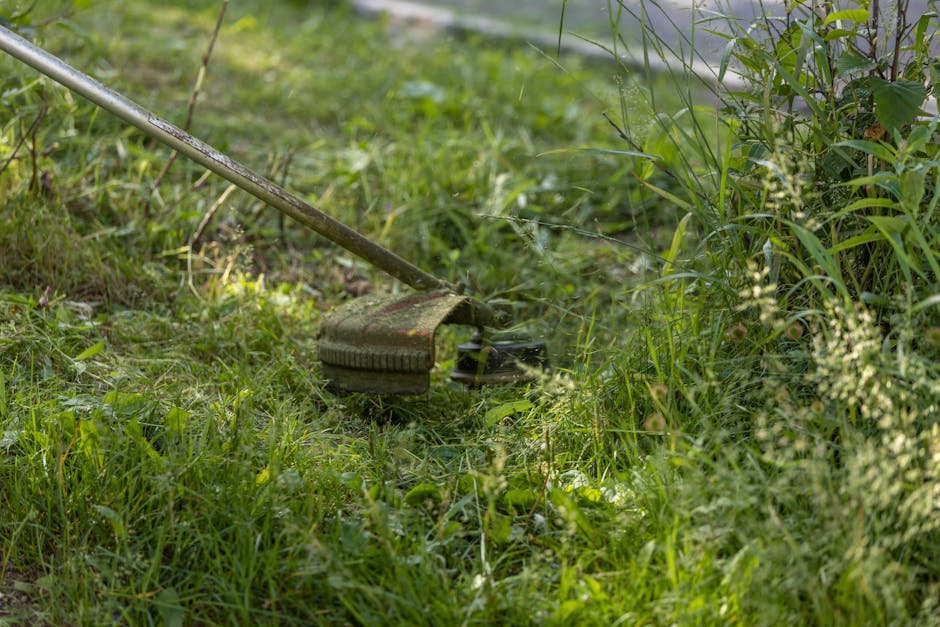
TW13 Garden Maintenance Services Near Feltham Station: A Practical Local Guide
If you live in TW13 and your garden has started to feel a bit unruly, you are not alone. Between busy schedules, changeable British weather, and the usual surprise growth spurts after a mild week, outdoor spaces near Feltham Station can get away from you quickly. That is where TW13 garden maintenance services near Feltham Station come in: regular, dependable help that keeps lawns, hedges, borders, and hard edges under control without turning weekends into a full-time job.
This guide explains what garden maintenance involves, how it works in a local setting, who benefits most, and what to look for if you are comparing options. It also covers practical steps, common mistakes, compliance considerations, and a few grounded tips from real-world garden care. If you want a garden that looks cared for rather than constantly "nearly done", you are in the right place.
- Why it matters
- How the service works
- Key benefits and practical advantages
- Who it is for
- Step-by-step guidance
- Expert tips for better results
- Common mistakes to avoid
- Tools, resources and recommendations
- Law, compliance, standards, or best practice
- Options and comparison table
- Case study or real-world example
- Practical checklist
- Conclusion
- Frequently asked questions
Why TW13 garden maintenance services near Feltham Station Matters
Gardens in and around Feltham Station face a familiar mix of pressures. Front gardens need to look neat because they are visible every day. Rear gardens often become storage spaces for bikes, bins, play equipment, and the odd forgotten planter. And once one part of the garden slips, everything else tends to follow. A hedge grows a little too wide, the lawn gets patchy, leaves gather in corners, and suddenly the whole place feels harder to enjoy.
Regular garden maintenance is not just about appearances, though that matters too. A tidy, well-kept garden is easier to use, safer to walk through, and usually cheaper to manage in the long run than a space that is left for months and then needs a full rescue. In a local area like TW13, where properties vary from compact plots to larger family gardens, maintenance needs can differ quite a bit. Some homes need mowing and edging every couple of weeks in peak season. Others need a lighter, seasonal approach with hedge cutting, weeding, pruning, and a bit of soil care.
There is also the everyday quality-of-life piece. If you step outside at 7:30 in the morning and hear nothing but birds and a bit of traffic from nearby routes, it is a better feeling when the garden looks calm rather than chaotic. Small thing, maybe. But it adds up.
If you are comparing broader support, it can help to look at a complete services overview first, then narrow down to the tasks your garden actually needs. That keeps decisions sensible and avoids paying for things you do not need.
How TW13 garden maintenance services near Feltham Station Works
Garden maintenance is usually a structured service rather than a one-off tidy-up. The exact schedule depends on the garden, the season, and your priorities. In practical terms, a local gardener will normally assess the space, discuss what matters most, and then suggest a routine that suits the property. That might be weekly in spring and summer, fortnightly during faster growth periods, or less frequent through the colder months.
A standard maintenance visit might include lawn mowing, edging, hedge trimming, border care, weed removal, pruning of manageable growth, leaf clearance, and a quick tidy of paths or paved areas. Some gardens also need occasional larger interventions such as garden clearance after a long period of neglect, or extra work around overgrown shrubs and small trees. If a garden has decking or other outdoor structures, a service may also need to take those surfaces into account so the whole space feels cohesive rather than patched together.
The process is usually simple:
- Assessment: the gardener reviews the layout, plant growth, access, and any problem areas.
- Scope: you agree which tasks are included, what is occasional, and what is excluded.
- Schedule: a routine is set based on growth rate and usage of the garden.
- Maintenance visit: the work is carried out in a practical order, usually starting with the most visible or time-sensitive tasks.
- Review: adjustments are made if the season changes or the garden starts needing a different rhythm.
That last part matters. Gardens are living spaces, not static ones. What worked in April may be laughably wrong by June. To be fair, the garden usually knows that before we do.
Key Benefits and Practical Advantages
The biggest benefit is consistency. When a garden is maintained on a regular basis, you avoid the dramatic before-and-after swing that comes with neglect. Instead of spending an entire Saturday wrestling with waist-high grass and tangled beds, you stay on top of things with smaller, manageable visits.
Here are the main advantages people usually notice first:
- Better kerb appeal: a neat front garden makes a house feel cared for straight away.
- Less long-term work: regular attention prevents growth from becoming a major job.
- Healthier plants: pruning, feeding, and seasonal care support stronger growth.
- Safer access: clear paths and controlled growth reduce trip hazards and blocked routes.
- More usable space: you can actually sit outside, not just look at the garden through the window.
- Cleaner finish: lawns, borders, and edges look intentional rather than improvised.
There is also the mental load factor, which people often underestimate. A messy garden can sit in the back of your mind for weeks. Once it is under control, the whole place feels lighter. That sounds a bit dramatic, but honestly, it is true. A good garden can make a home feel bigger.
If you need recurring mowing as part of the plan, it may be worth exploring a dedicated lawn mowing service alongside broader maintenance. Likewise, if hedges are the main issue, targeted hedge trimming can keep the shape tidy without overworking the rest of the garden.
Who This Is For and When It Makes Sense
Garden maintenance is not only for people with large lawns or ornamental planting. In fact, some of the most maintenance-sensitive gardens are small ones. Limited space means every untidy corner stands out. A few weeds around paving, a hedge that has pushed out too far, or a lawn that has not been cut in three weeks can make the whole area look rough quickly.
It usually makes sense if you are:
- a homeowner who wants a presentable outdoor space without spending every weekend on it;
- a landlord or letting agent needing the garden to stay in decent condition between tenancies;
- a busy household juggling children, work, and no real spare time;
- an older resident who would rather avoid heavy or repetitive garden work;
- a business or property manager with a small external space that still reflects on the premises;
- someone preparing a property for sale, photos, or viewings.
It also makes sense when a garden has gone from "just needs a bit of attention" to "right, where do we even start?" That is usually the moment when maintenance and clearance become a package, not separate worlds. A reasonable gardener will help you judge whether you need a tidy-up, a reset, or a proper ongoing routine.
If you want to understand the people behind the service, the about us page is a sensible place to start. And if you are already at the point of wanting a quote, then yes, the next step is simple enough.
Step-by-Step Guidance
Here is a practical way to approach garden maintenance near Feltham Station without overcomplicating it.
- Walk the garden slowly. Look at what actually bothers you. Is it the grass? The edges? The hedge line? The mess near the shed? You do not need to fix everything at once, but you do need to know what is driving the problem.
- Separate routine work from one-off work. Routine work includes mowing, edging, weeding, and light pruning. One-off work might include clearance, reshaping, or dealing with overgrown shrubs.
- Think seasonally. Spring and early summer usually bring faster growth, while autumn can bring leaf fall and more tidying. Winter is often a good time to plan heavier structural work, depending on the plants involved.
- Prioritise safety and access. If paths are slippery, if branches are hanging low, or if access is awkward, those issues should be handled early.
- Agree the service scope clearly. This avoids the classic misunderstanding where one person assumes a full tidy and the other assumed a light visit. Happens all the time.
- Review after the first visit. A good maintenance plan usually gets sharper after the first round because the real condition of the garden becomes clearer once the obvious clutter is gone.
For lawns that need a bit more structure over time, you may want to pair maintenance with ongoing garden maintenance rather than treating it as an emergency one-off. That usually gives a better finish and a calmer budget spread across the year.
Expert Tips for Better Results
If you want better long-term results, the trick is not simply "do more". It is doing the right things in the right order, and leaving enough room for the garden to behave like a garden. Nature, annoyingly, does not read the schedule.
1. Keep edges under control. A clean edge along paths, patios, and lawns makes even a modest garden look better. It is one of the quickest visual wins.
2. Don't cut everything on autopilot. Some plants respond well to regular trimming, others do not. A thoughtful cut is better than a rushed one, especially with flowering shrubs or young trees.
3. Watch the drainage and damp spots. In a wetter spell, areas that stay soggy or shaded can become slippery and mossy. That is not just an appearance issue; it affects usability.
4. Build in seasonal flexibility. The best maintenance plans adapt. A very hot week, a windy spell, or a burst of growth after rain may change what needs doing first.
5. Keep a short notes list. It sounds old-fashioned, but jotting down what bothered you after each visit helps. "Back border too weedy" or "front hedge uneven on left side" is enough. Little details matter.
6. Choose a clear handover. If several people use the property, make sure everyone understands the plan. Otherwise someone will water, someone else will mow, and nobody will know who was meant to prune the jasmine. A familiar scene.
For gardens with tougher overgrowth or a lot of plant material to remove, a proper garden clearance can be a smarter starting point than trying to maintain chaos. After that, routine work becomes much easier.
Common Mistakes to Avoid
Most garden problems are not caused by one dramatic event. They build gradually through small misses. The good news? That also means they are usually preventable.
- Letting the garden wait too long: a short delay becomes a bigger workload very quickly in warm weather.
- Mixing up tidying and maintenance: a tidy garden today does not mean it will stay tidy next month without a plan.
- Overcutting hedges or shrubs: taking too much off at once can leave plants looking sparse or stressed.
- Ignoring the borders: weeds and unmanaged edges make even a well-cut lawn look unfinished.
- Using the wrong frequency: weekly, fortnightly, and seasonal visits all solve different problems.
- Choosing only on price: the cheapest option is not always the best value if it leaves you with repeat issues.
A smaller but common mistake is assuming the whole garden needs the same level of attention. It usually does not. The front path may need frequent sweeping and edging, while a rear border may only need deeper work a few times a year. Good maintenance is selective. That is part of the skill.
Tools, Resources and Recommendations
You do not need a shed full of kit to keep a garden in decent condition, but the right tools make a noticeable difference. For homeowners, a basic toolkit often includes shears, a mower, edging tools, a rake, gloves, and a watering can or hose setup that is actually usable rather than half-forgotten.
For professional maintenance, the value is usually in consistency, time, and the ability to handle several tasks in one visit. That saves you the annoying stop-start cycle of doing one job, losing momentum, and then leaving the rest for another day that never quite arrives.
Useful service combinations often include:
- lawn mowing for ongoing grass control;
- hedge trimming for structure and light management;
- garden clearance for overgrown or neglected spaces;
- landscaping if the layout itself needs improvement;
- landscape gardening where planting and design are part of the longer-term plan;
- tree lopping and removal where larger woody growth needs careful handling.
Some gardens also benefit from improving the practical surfaces around them. If slippery steps, tired paving, or an awkward outdoor seating area are part of the issue, then a well-planned decking service can support the overall result. Not every garden needs that, of course. But in some homes it genuinely changes how the space is used.
Law, Compliance, Standards, or Best Practice
For everyday domestic garden maintenance, most of the important considerations are practical rather than highly legal. That said, best practice still matters. Safe use of equipment, sensible handling of waste, careful work around trees, and respect for neighbouring properties all form part of a professional approach.
Where tree work is involved, additional care is sensible because branches, weight, access, and property boundaries can all introduce risk. In some situations, permissions or extra checks may be relevant depending on the tree, location, or ownership. A cautious gardener will not guess. They will assess the situation properly and proceed carefully.
It is also worth asking about insurance and safety practices. A trustworthy provider should be able to explain how they manage equipment use, site access, and waste removal without being vague. If that matters to you - and it should - then a page like insurance and safety is useful reading. For working practices more broadly, the health and safety policy and recycling and sustainability information can also give a clearer sense of standards and values.
Payment, data handling, and service terms are worth checking too. They are not the exciting bits, admittedly, but they matter when you want everything to feel straightforward and fair. You can review payment and security, terms and conditions, and privacy policy if you want the practical basics in advance.
Options, Methods, or Comparison Table
People often ask whether they need one-off help or a regular maintenance plan. The honest answer depends on the state of the garden, how much you use it, and whether you want to keep it looking consistently tidy or just deal with issues when they become obvious.
| Option | Best for | Typical strengths | Possible downside |
|---|---|---|---|
| One-off tidy-up | Small reset jobs, spring refresh, pre-event clean-up | Fast visible improvement, flexible scheduling | Does not stop the garden from needing attention again |
| Regular maintenance | Busy homes, landlords, front gardens, active outdoor spaces | Consistent look, lower long-term effort, easier budgeting | Needs a repeat schedule and a bit of planning |
| Clearance then maintenance | Overgrown or neglected gardens | Creates a clean starting point before routine care begins | More work upfront, sometimes a bigger initial cost |
| Maintenance plus landscaping improvements | Gardens that are functional but poorly arranged | Better layout, better flow, stronger long-term value | Usually a bigger project, so it needs clearer planning |
If you are unsure, start with the least complicated question: what state is the garden in right now, and what would make the biggest day-to-day difference? That answer usually points you in the right direction.
Case Study or Real-World Example
Imagine a typical TW13 terrace with a compact front strip and a rear garden that has gradually taken on too much life of its own. The lawn is uneven. The hedge near the fence has pushed outward. A couple of borders are full of weeds that were not there in April. There is a paved path running to the back door, but it is beginning to feel a little cramped because plants have crept in from both sides.
The first visit focuses on reclaiming the space. The lawn is cut, edges are redefined, the hedge is brought back into shape, and the messy border growth is reduced. A few items are removed and the whole thing feels clearer immediately. Nothing magical, just proper work done in the right order.
The next month, the same garden only needs a lighter visit. That is the real win. Instead of another mini-rescue, the work becomes manageable. The owners can use the garden again without feeling embarrassed every time they look out the kitchen window. Not a grand transformation. Just a better daily life. And frankly, that is what most people actually want.
Practical Checklist
Use this checklist before arranging or renewing garden maintenance near Feltham Station:
- Walk the garden and note the main problem areas.
- Decide whether you need one-off work, ongoing maintenance, or both.
- Identify the most urgent tasks: grass, hedges, weeds, borders, or clearance.
- Check whether access is easy for tools and waste removal.
- Think about how often the garden grows out of control.
- Ask how seasonal changes may affect the schedule.
- Confirm what is included in the service and what is not.
- Make sure safety, insurance, and payment terms are clear.
- Look for a provider who offers more than a quick sweep-up if you need lasting results.
- Plan a review after the first visit so the maintenance routine can be adjusted if needed.
Expert summary: the best garden maintenance is not the most dramatic one. It is the one that quietly keeps your space usable, tidy, and manageable all year round.
For anyone wanting to explore the next step, contact us to discuss what your garden needs and how a sensible maintenance plan could be shaped around it.
Get a free quote today and see how much you can save.
Conclusion
TW13 garden maintenance services near Feltham Station are about more than keeping grass short or hedges clipped. They are about making outdoor space easier to live with. A garden that is regularly maintained looks better, feels calmer, and requires far less rescue work later on. That is good for your time, your wallet, and your peace of mind.
If your garden is already in reasonable shape, a steady routine will keep it that way. If it has drifted a bit, a clear first clean-up followed by ongoing care can get things back on track without the whole job becoming overwhelming. Either way, the sensible move is to start where the garden actually is, not where you wish it were.
And truth be told, that is usually enough to make a huge difference. A neat path, a trimmed hedge, fresh edges along the lawn - small things, but they change how a home feels. Nice to come back to, even on a grey weekday evening.
Frequently Asked Questions
What do TW13 garden maintenance services near Feltham Station usually include?
They usually include a mix of mowing, edging, hedge trimming, weed control, border tidying, leaf clearance, and light pruning. Some gardens also need occasional clearance or more structured landscaping support.
How often should a garden near Feltham Station be maintained?
It depends on growth rate, garden size, and how tidy you want it to stay. Many gardens benefit from fortnightly or monthly attention during active growing periods, with lighter seasonal visits at other times.
Is a one-off tidy-up enough, or do I need regular maintenance?
If the garden is in good shape, a one-off tidy-up may be enough for a while. If weeds, grass, and hedges keep getting out of hand, regular maintenance usually gives better long-term value.
What is the difference between garden maintenance and garden clearance?
Garden maintenance is ongoing care that keeps things under control. Garden clearance is more like a reset, used when the space is overgrown, cluttered, or neglected and needs a bigger first step.
Can garden maintenance help improve kerb appeal?
Yes. A neat front garden, clipped hedge, and tidy lawn can make a property feel more cared for almost immediately. It is one of the simplest ways to improve first impressions.
Do I need landscaping if I only want basic maintenance?
Not necessarily. If the garden already works well, maintenance may be all you need. Landscaping becomes relevant when the layout, surfaces, planting, or overall structure need improvement.
How do I know if my hedge needs trimming?
If it is pushing into paths, blocking light, looking uneven, or becoming too heavy on one side, it probably needs attention. A hedge that starts to look like it has its own postcode is usually overdue.
Is it worth combining lawn mowing and hedge trimming in one visit?
Usually yes, if both jobs are needed. Combining them often gives a more complete finish and saves the awkward situation where the garden looks half-done after one task is completed and another is left behind.
What should I ask before booking a gardener in TW13?
Ask what is included, how often the work is recommended, whether they handle clearance as well as routine care, and how they approach safety, waste, and payment. Clear answers are a good sign.
Are there safety issues with garden maintenance work?
There can be, especially when using tools, handling heavy waste, or working around trees, awkward access, and slippery surfaces. That is why insurance, safety practices, and sensible site checks matter.
How do I prepare my garden before a maintenance visit?
Move away loose items, give access to gates and paths, point out fragile plants or problem areas, and mention anything you would like prioritised. A few minutes of prep can make the visit much more efficient.
Can garden maintenance be adjusted through the seasons?
Yes, and it should be. Spring and summer often need more frequent mowing and cutting, while autumn may need leaf removal and tidying. Winter work tends to be lighter, unless structural pruning or clearance is needed.
Where can I learn more about the company and its standards?
You can look at the about us page for background, along with the pages on insurance and safety, health and safety policy, and recycling and sustainability for service expectations and working practices.